


 FREE Delivery over £35
 Unbeatable Prices
How to Heat Your Office: Oil Filled Radiators vs Fan Heaters vs Ceramic Heaters
Getting the temperature just right in your office isn’t easy. Heating affects employee comfort, productivity, energy bills and long-term running costs. So how you heat your office isn’t a decision you can make lightly.
Common types of heater include oil filled radiators, fan heaters and ceramic heaters.
But which one is best?
All three have their own pros and cons when it comes to heating a space. However, for the office, one clearly stands out above the others: oil filled radiators.
Discover why oil filled radiators are the best heating option for your office this winter below.
- Understanding the Main Types of Electric Heaters
- Oil Filled Radiator vs Fan Heater
- Oil Filled Radiators vs Other Electric Heaters
- Oil Filled Radiator vs Ceramic Heater
- Which Heaters Are Best for Office Environments?
- Oil Filled Heaters and Heating Oil
- Portability vs Wall Mounted Heating Solutions
- Comparing Running Costs Across Heater Types
- Final Verdict
Understanding the Main Types of Electric Heaters
Understanding how each type of heater works is important so you can decide if it’s the right heating solution for your business.
Oil Filled Radiators
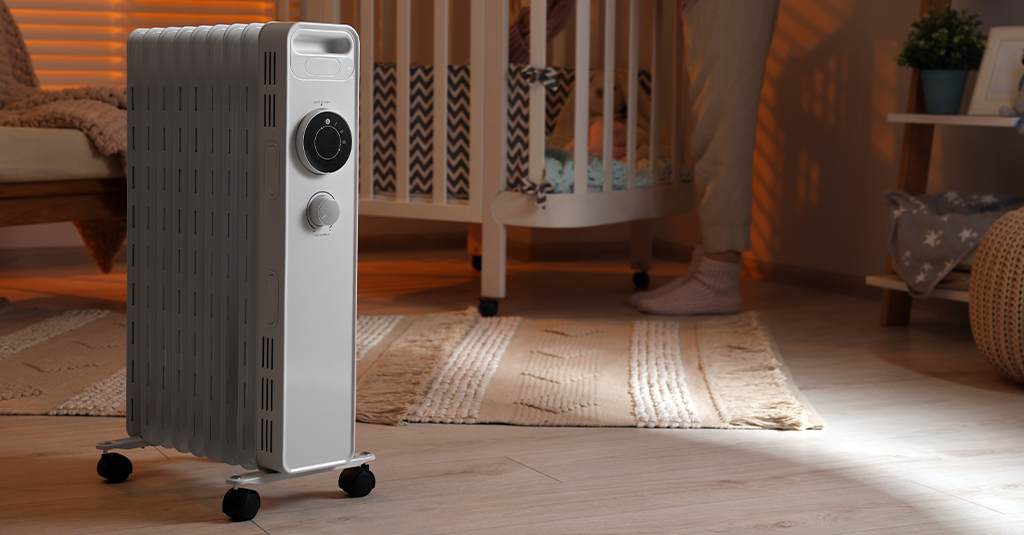
An oil filled radiator uses an internal heating element to heat oil. This oil retains heat well and continues warming the room even after the heater switches off, with the element cooling over time. Oil filled heaters are known for their consistent output, silent operation and energy efficient performance. This makes them a great option for those that need a quiet workspace but don’t want to spend a small fortune to heat it.
Fan Heaters
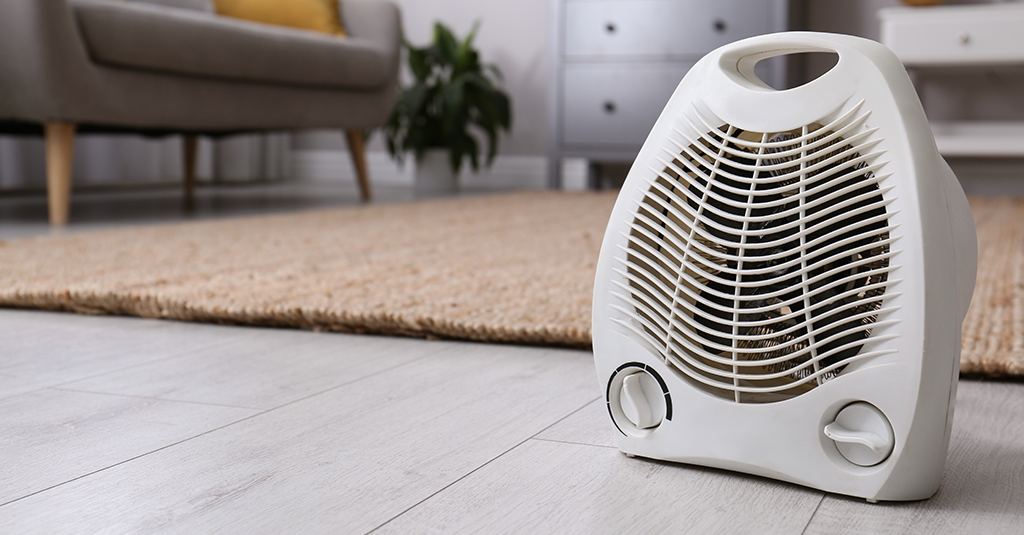
Fan heaters generate heat quickly by blowing air over heating elements. They’re often used as portable heaters for short bursts of warmth. This makes them useful when you need to temporarily heat a space before moving. They’re rarely as quiet as oil filled radiators though.
Ceramic Heaters
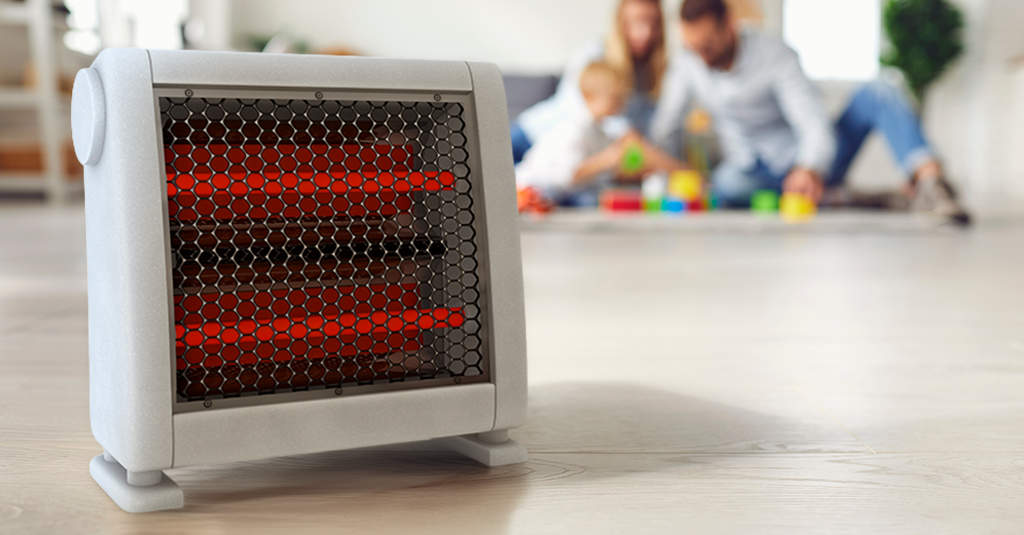
Ceramic heaters use ceramic heating elements combined with a fan to distribute heat evenly throughout a space. They’re often more advanced than standard fan heaters and are popular in modern office environments. However, they’re rarely as efficient as oil filled radiators for retaining heat once the heater has been turned off.
Oil Filled Radiator vs Fan Heater: Which Works Better in Offices?
When comparing an oil filled radiator vs a fan heater, the biggest differences are heat retention, noise and running costs – all of which are important to consider.
Heat Output and Comfort
Fan heaters are designed to heat a space quickly, making them suitable for short-term use. As we mentioned before though, they tend to get cold again very quickly when switched off. Oil filled radiators, by contrast, continue to heat a room long after the power stops flowing.
In offices and meeting rooms, steady and consistent heat throughout the working day is more important than instant warmth. This makes oil filled heaters more practical for business purposes.
Noise Levels
Fan heaters produce noticeable noise due to their internal fans. In shared offices or quiet working environments, this can be disruptive – especially when everyone is trying to lock in. By comparison, oil filled radiators operate silently, which is ideal for productivity during those busy winter months.
Energy Efficiency and Costs
While fan heaters may be more affordable initially, their running costs are often higher because they’ve got to be switched on continuously. Oil filled radiators consume power more gradually, helping to control energy bills and preventing any unwelcome surprises. Also, they can continue to heat a room for some time once switched off.
Winner for offices: Oil filled radiator
This makes the winner of the radiator vs fan heater debate fairly clear for professional settings.
Oil Filled Radiators vs Other Electric Heaters: A Broader Comparison
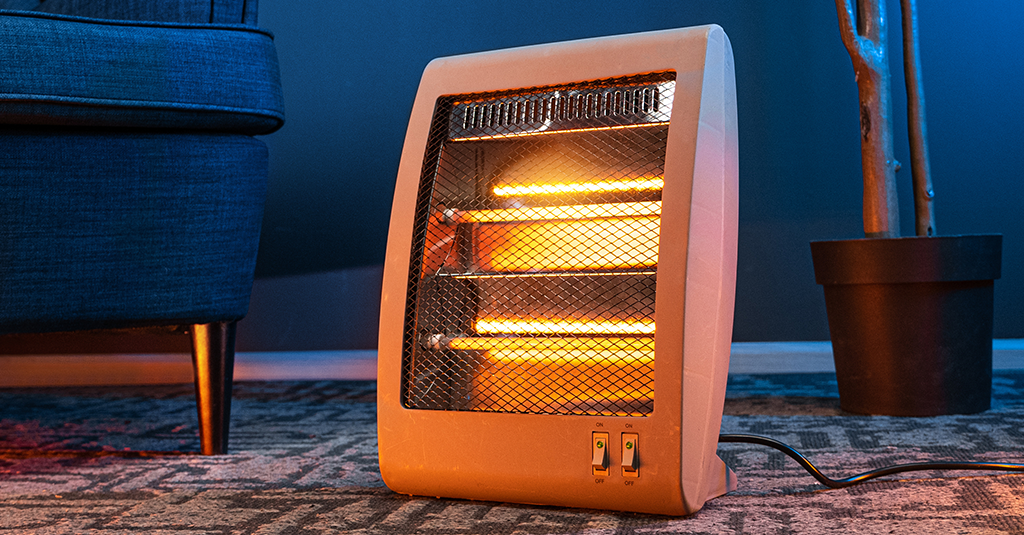
The term ‘electric heater’ covers a wide range of products, from convection heaters to infrared panels. But even then, when oil filled radiators face off against other electric heaters in the office, oil filled models often come out on top.
Heating Larger Rooms
Offices, boardrooms and reception areas often fall into the category of larger rooms. Oil filled radiators are particularly effective here because they distribute heat evenly and maintain a stable temperature – meaning no arguments over whose desk is warmer.
Safety and Reliability
Oil filled heaters remain cool to the touch compared to exposed heating elements, reducing the risk of accidents in busy, fast-paced workplaces.
Long-Term Cost Effectiveness
For businesses running heaters for several hours a day, oil filled radiators are more cost effective over time due to lower energy consumption and reduced cycling.
Oil Filled Radiator vs Ceramic Heater: A Modern Alternative?
Having to decide between oil filled radiators and ceramic heaters is becoming increasingly common in modern offices. In general, they’re very similar. But, once again, oil filled radiators are still the ideal choice for offices and businesses.
Heating Speed
Ceramic heaters are designed to heat quickly, making them useful for areas that need to warm up fast. Just like fan heaters though, they lose heat quickly when powered off. This makes them less efficient than oil filled radiators.
Energy Efficiency
While ceramic heaters are more energy efficient than traditional fan heaters, oil filled radiators still offer better heat retention, which reduces your overall energy use.
Portability and Design
Ceramic heaters are often compact and stylish, making them a popular type of portable heater. Oil filled radiators are slightly bulkier but many modern models are sleek, wheeled and even wall mounted.
Best choice for offices: Oil filled radiators for all-day heating; ceramic heaters for short, targeted use. So, if you’re planning on leaving your heater in the office, your best option is an oil filled radiator. But, if you need to move your heater about throughout the day, you may want to consider a ceramic heater.
Which Heaters Are Best for Office Environments?
When deciding on the best type of heater for your business, consider the following:
Consistent Comfort
Office workers benefit from stable temperatures throughout the day. Oil filled radiators excel here, providing steady warmth without sudden temperature fluctuations.
Noise-Free Operation
Quiet heating solutions are essential in professional settings. Oil filled heaters and some ceramic heaters outperform fan-based options in this regard.
Energy Bills and Sustainability
With rising electricity costs as well as sustainability concerns, businesses need to prioritise energy efficient heating solutions. Oil filled radiators help reduce energy bills by retaining heat and requiring less continuous power.
Oil Filled Heaters and Heating Oil: Clearing Up a Common Myth
A frequent misconception is that oil filled heaters require refilling with heating oil. In reality, the oil inside is sealed for life and never needs replacement. The oil simply acts as a heat reservoir, improving efficiency and comfort.
This makes oil filled heaters low maintenance and highly reliable for offices.
Portability vs Wall Mounted Heating Solutions
Many offices are faced with choosing between portable heaters and fixed installations.
- Portable heaters offer flexibility for changing layouts or temporary workspaces.
- Wall mounted oil filled radiators provide a clean, permanent solution for meeting rooms and reception areas.
Both options are available within the oil filled radiator category, making them adaptable to various office needs.
Comparing Running Costs Across Heater Types
Running costs depend on usage patterns, room size and insulation, but generally:
- Fan heaters: High short-term energy use
- Ceramic heaters: Moderate efficiency
- Oil filled radiators: Lower long-term running costs
For offices operating eight hours or more per day, oil filled radiators often provide the best balance between comfort and cost.
Final Verdict: The Best Heating Solution for Offices
When comparing oil filled radiators vs fan heaters, oil filled radiators vs electric heaters, and oil filled radiators vs ceramic heaters, the conclusion is clear for most business environments.
Why Oil Filled Radiators Win for Offices
- Energy efficient and cost effective
- Ideal for larger rooms
- Silent operation
- Lower long-term running costs
- Reliable, low maintenance heating solution
Ceramic heaters are still useful for quick warmth – especially if you’re looking to heat the home – but for all-day office comfort, oil filled radiators remain the superior choice.
Find Your Heater at Cartridge People
Choosing the right heating solution can improve productivity, reduce energy bills and create a more comfortable working environment for your staff. You can find the right heater for your space at Cartridge People today.
About The Author
