


 FREE Delivery over £35
 Unbeatable Prices

The State of Hybrid Working in 2026: What Employees Say About Productivity and Wellbeing

Nearly half of surveyed UK employees now work in a hybrid model, while 15% are fully remote, according to a recent survey from Cartridge People.
The survey examined attitudes towards remote, hybrid and on-site working, revealing that flexibility has become a defining factor in employee satisfaction, productivity and wellbeing. While 38% of workers remain fully in office or on-site, the majority now split their time between home and the workplace, reflecting a growing expectation for choice and autonomy.
In the years following Covid, hybrid working has become a fully-established part of British working culture, with businesses increasingly offering flexible working models to remain competitive in attracting and retaining talent.
The perfect balance
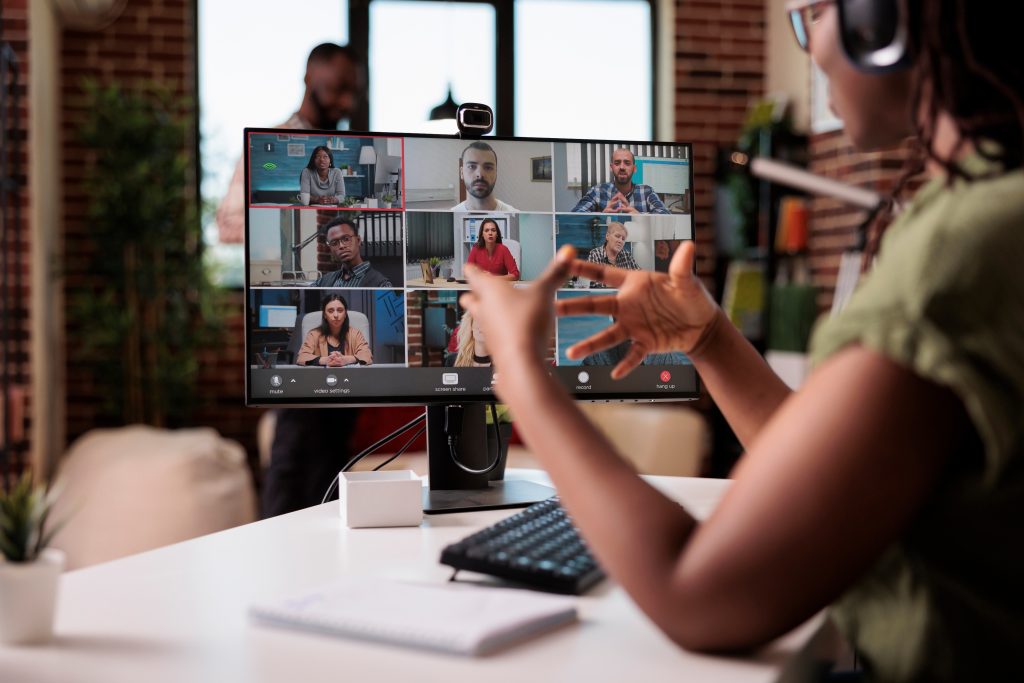
Employees increasingly value choice over their work location. Hybrid models allow individuals to combine the focus and convenience of home working with the collaboration and structure of the office. This balance appears to be driving high satisfaction levels, with more than four in five hybrid workers reporting they are satisfied with their current working arrangement.
From an organisational perspective, this points to a shift away from rigid in-person attendance policies and towards outcome-based working, where performance is measured by results rather than physical presence.
As with all models, freedom and flexibility over where employees can work does pose some risk, such as lack of visibility and issues with productivity. However these can be easily remedied.
How Hybrid Working Is Driving Policy Change
As hybrid working becomes more established, many organisations are rethinking not only where work is done, but how performance, onboarding and management are approached. In place of blanket office attendance requirements, businesses are increasingly adopting policies that balance flexibility with accountability.
For example, some employers now require new employees to work on-site during their probation period. This approach ensures new starters receive effective onboarding, training and cultural integration. It also allows managers to build relationships before transitioning to more flexible arrangements.
The shift away from fixed office attendance has also prompted changes to performance management policies. Rather than monitoring visibility or time spent in the office, businesses are placing greater emphasis on output, workload and results. Regular check-ins, clearer goal-setting and consistent lines of communication can all be used to ensure work remains on track, regardless of location.
Hybrid working has also encouraged organisations to reassess their wellbeing, communication and equipment policies. Working from home forces businesses to formalise expectations around working hours, encouraging breaks and promoting healthier boundaries to address the risk of overwork when employees are remote.
Investing in improved home-working equipment and clearer guidance on employee availability and collaboration ensures consistency across teams.
These changes in workplace policy put a heavier emphasis on adaptability, while also being supported by structure, trust and clarity. Employers that rework their policies to accommodate remote working, while also outlining clear expectations are better positioned to make hybrid working both effective and sustainable long-term.
Productivity gains, but longer hours at home

One of the most notable findings from the report is the relationship between remote working, productivity, and working hours. Since hybrid and remote working has become the norm, there have been debates online about whether organisations want their staff permanently back in the office. The survey findings show that not only do people prefer working from home, but they also perceive themselves to be more productive as a result. Over half of respondents reported working longer hours at home, and 45% said they feel most productive there. Home environments can reduce interruptions and enable a deeper focus, making home-working days the ideal space for larger, time-consuming tasks that can be done independently.
However, the findings also highlight another potential risk: the blurring of boundaries between work and personal life. While increased productivity is a clear benefit, the longer hours reported by remote workers underline the importance of clear expectations, supportive management, and policies that encourage healthy work patterns even when working from home to avoid employee burnout.
Positive well-being outcomes dominate

The survey shows a strong positive link between working from home and mental well-being. More than three-quarters of respondents reported that home working has a positive effect on their mental health, with fewer than one in ten experiencing a negative impact.
Offering flexibility can play a significant role in reducing stress, improving morale, and supporting overall well-being, particularly when employees have greater control over their working environment and schedules.
Social connection remains a critical factor

Despite the benefits of remote working, the survey also highlights the continued importance of social interaction. While the majority of respondents said they rarely or never experience loneliness when working from home, more than a quarter reported feeling lonely at least some of the time.
Office-based working continues to be valued for its social and collaborative benefits, with social interaction, teamwork, and the separation between work and home life ranking highly among respondents. This suggests that offices still have a vital role to play; less as a mandatory obligation, but as a place for collaboration, connection, and culture.
What employees value — and what they want next

When asked about the main benefits of working from home, employees most frequently mentioned the elimination of a commute, followed by increased flexibility and comfort. In contrast, the top improvements employees would like to see include more flexible working hours, better equipment, more comfortable workspaces, and continued access to remote working options.
These findings provide a clear roadmap for employers: targeted investment in equipment and flexibility in terms of hours and location is likely to deliver more meaningful returns in engagement and performance.
Commenting on the findings, John Flanagan, Managing Director at Cartridge People said:
“The future of work is not about choosing between home or office, but about creating the right balance. Employees are telling us that flexibility supports productivity and wellbeing, while offices remain essential for collaboration and connection. Organisations that listen to these insights will be best placed to attract, retain, and support their staff.” You can find the full findings and analysis in our downloadable.
Cartridge People supplies a wide range of printer ink and toner, office equipment and home office essentials, helping employees create comfortable, well-equipped workspaces whether they are based at home or on-site.
For businesses managing a hybrid workforce, Cartridge People Business Accounts offer simplified ordering and dedicated account support, making it easier to manage office and home office supply needs across teams and locations.
About The Author
