


 FREE Delivery over £35
 Unbeatable Prices
What is GSM in Paper?
Have you ever bought printer paper, looked at the specifications and wondered what GSM means? We’ll outline the definition of GSM and why it matters when choosing paper for printing or design projects in this latest blog from Cartridge People.
When someone asks what GSM means, the short answer is this: GSM is how much a square metre of paper weighs.
Understanding the initialism GSM will help you choose the right material for everything from business card printing to brochures and correspondence. Our guide to GSM covers the following:
- What Does GSM Mean?
- Why Does GSM Matter?
- Common GSM Paper Weights Explained
- Choosing the Right GSM for Your Project
What Does GSM Mean?
GSM stands for grams per square metre, which is a standard way to measure the weight of paper. In simple terms, then, GSM refers to the weight of paper rather than its thickness.
For example:
- 70gsm – 100gsm: Standard paper weight used in office printers
- 100gsm – 120gsm: Higher-quality paper often used for reports or letterheads
- 200gsm – 350gsm: Cardstock used for cards, postcards or premium prints
Why Measure Paper in Weight?
Measuring paper weight allows manufacturers and customers to compare paper types consistently, regardless of sheet size.
Why Does GSM Matter?
GSM influences how paper feels, performs and prints. It affects a number of variables, including:
- Durability
- Print quality
- Professional appearance
- Suitability for different paper products
For instance, a high-quality brochure printed on 120gsm paper will feel more substantial than one printed on 100gsm or lower. The recipient of the 120gsm brochure will be more likely to associate the brand with quality. Meanwhile, thin paper is better for everyday documents or large volumes of printing where budgeting and cost per print are high priorities.
While paper thickness often increases with GSM, it’s not the only factor that determines how a sheet of paper feels. Different paper types (coated, uncoated, recycled, etc.) can affect how thick or stiff the paper feels even at the same GSM.
In other words, GSM measures the weight of paper, but the final feel depends on both paper thickness and material composition.
Common GSM Paper Weights Explained
When working with paper products, knowing the most common GSM paper weights makes choosing the right option much easier.
70 – 100gsm: Standard Office Paper
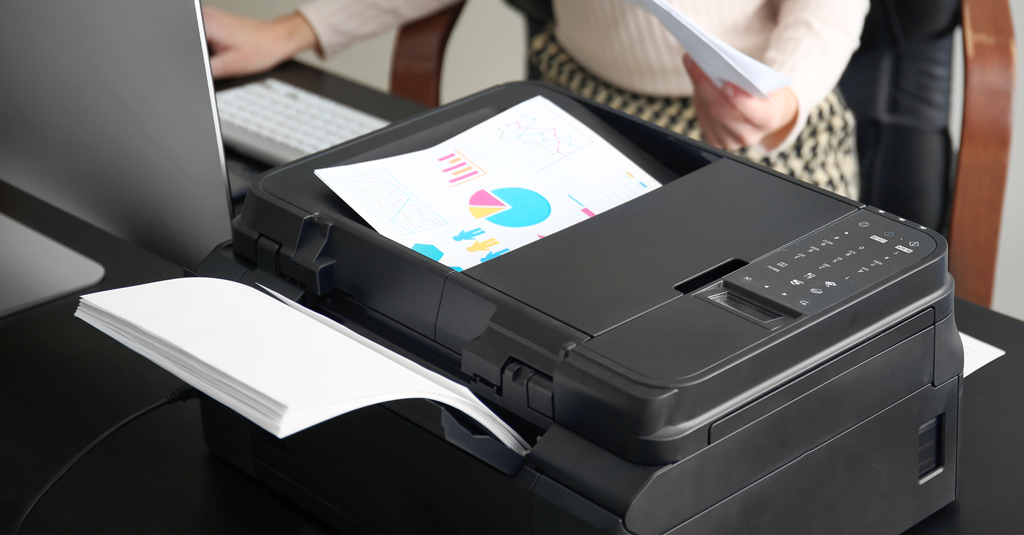
Paper in the 70-100gsm range is typically used for everyday printing such as office documents, reports and internal printing. This type of paper is relatively thin but works well for large projects and general use.
120gsm: Premium Document Paper
120gsm paper is slightly heavier and often considered high quality for professional documents.
This type of paper is commonly used for:
- Letterheads
- Premium reports
- Presentations
Because of its heavier weight, 120gsm paper feels sturdier and more professional.
200 – 350gsm: Cardstock
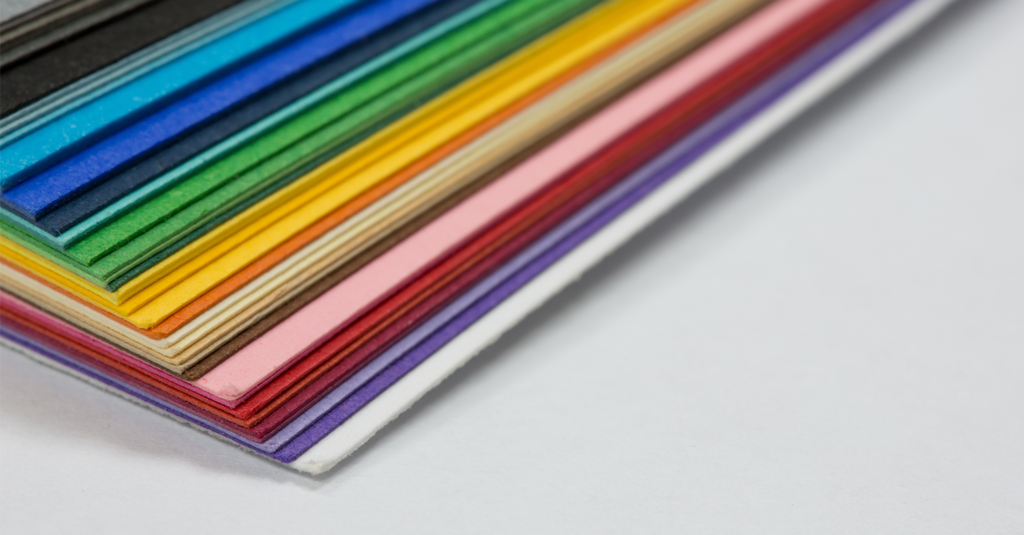
Higher GSM levels are used for thicker printed paper products, including:
- Cards
- Postcards
- Invitations
- Marketing materials
A business card, for example, is usually printed on paper that weighs between 300 – 350gsm to provide the rigidity and durability people expect.

These higher GSM paper weights create a premium feel and help printed items last longer.
GSM vs Paper Thickness
One common misconception is that GSM directly measures paper thickness.
In reality, GSM measures grams per square metre, which means it indicates the weight of paper rather than its physical thickness (which is measured in microns).
Two sheets with the same GSM could feel slightly different depending on:
- Paper fibres
- Coating
- Manufacturing process
However, generally, higher GSM values correspond to heavier and thicker-feeling paper.
Choosing the Right GSM for Your Project
When selecting paper for printing, the best GSM depends on what you’re producing.
Here are some general guidelines:
| Paper Product | Standard Documents | Premium Documents | Flyers & Leaflets | Brochures | Business Card Printing |
|---|---|---|---|---|---|
| Typical GSM | 70 – 100gsm | 100 – 120gsm | 130 – 170gsm | 170 – 250gsm | 300 – 350gsm |
Choosing the correct GSM paper weight ensures the final product feels appropriate and professional.
Additional Tips:
- Use lighter GSM for high-volume sheets of paper
- Use medium GSM for brochures or marketing materials
- Use heavy GSM for durable printed paper products
Matching the weight of paper to its purpose helps achieve both a high-quality appearance and functional durability.
Why GSM Matters in Paper and Printing
In the world of paper and printing, GSM is one of the most important specifications because it determines how paper performs in printers and in hand.
No matter whether you’re producing brochures or business cards, understanding what GSM means allows you to select the right material for the job.
Because GSM refers to paper weight, it provides a universal standard for comparing paper types across different manufacturers and products.
This makes it easier for designers, marketers and businesses to choose the best paper for their use case, ensuring the final product meets expectations.
Final Thoughts
So, what is GSM in paper?
Simply put, GSM stands for grams per square metre and refers to the weight of a square metre sheet. It’s the key metric used in paper and printing to compare paper types, determine paper thickness (generally) and select the best material for different printed paper products.
From 100gsm everyday sheets of paper to thick business card stock, understanding GSM paper weights can guide you to the right thickness and weight for every project.
The next time you’re selecting paper, remember: the higher the GSM, the heavier (and usually more premium) the paper will feel.
About The Author
